Few things inspire as much confidence as a reliable power source when the grid goes down. Your Ryobi 6500W generator is a workhorse, a beacon of light (and refrigeration!) in an outage. But even the best machines need the right support system to truly shine. To keep your Ryobi 6500W running smoothly, efficiently, and safely for years to come, investing in the best accessories and replacement parts for Ryobi 6500W generator isn't just a good idea—it's essential.
This isn't about just buying stuff; it's about smart preparedness. It's about ensuring your generator performs optimally when you need it most, whether you're powering a job site, camping trip, or an emergency at home. We’ll dive deep into both the add-ons that enhance usability and the critical components that ensure longevity and reliable operation.
At a Glance: Powering Up Your Ryobi 6500W
- Prioritize OEM Parts: For critical engine components, genuine OEM parts (Original Equipment Manufacturer) are generally superior for fit, function, and reliability, as trusted sources like PartsWarehouse emphasize.
- Essential Accessories: Don't just think about parts—consider fuel management, power distribution, safety gear, and storage solutions.
- Routine Maintenance is Key: Many replacement parts can be avoided or their lifespan extended with diligent preventative care.
- Know Your Limits: While many simple part replacements are DIY-friendly, some tasks warrant a professional mechanic.
- Safety First: Always use your generator safely and ensure accessories enhance, not compromise, safety.
Why Your Ryobi 6500W Deserves Top-Tier Support
Think of your Ryobi 6500W generator as a vital appliance—much like your car or furnace. You wouldn't skimp on maintenance or use subpar components for those, right? The same logic applies here. A generator isn't a "set it and forget it" device; it requires attention, quality accessories to maximize its utility, and reliable parts to maintain its performance.
Investing in high-quality accessories elevates your generator from a simple power source to a fully integrated power solution. Properly rated extension cords prevent power loss and overheating. A sturdy cover protects your investment from the elements. Thoughtful fuel storage ensures you're never caught off guard.
When it comes to replacement parts, the stakes are even higher. A failing spark plug might just mean a difficult start. A faulty carburetor, however, could lead to engine damage or unreliable power delivery. Using genuine or high-quality aftermarket parts ensures your generator maintains its factory-intended performance, fuel efficiency, and critical safety features. It's about preserving your investment and, more importantly, ensuring you have power when it truly matters.
Essential Accessories to Power Up Your Ryobi 6500W Experience
Beyond the machine itself, a suite of well-chosen accessories can drastically improve your generator's functionality, safety, and longevity. These are the unsung heroes that make using your Ryobi 6500W a smoother, more secure experience.
Fuel Storage & Management: The Lifeblood of Your Generator
Your generator is only as good as the fuel it's fed. Proper fuel handling is paramount for both safety and engine health.
- Heavy-Duty Fuel Cans: Opt for robust, clearly labeled gasoline cans (typically red for gasoline) that meet local safety standards. Look for capacities that balance convenience with safe handling—often 5-gallon cans are a good compromise. Ensure they have secure, leak-proof caps and reliable pouring spouts to prevent spills.
- Fuel Stabilizer: This is non-negotiable for any generator fuel that sits for more than a month. Modern gasoline, especially ethanol-blended, can degrade quickly, gumming up carburetors and fuel lines. A good fuel stabilizer, added before storage, can keep your fuel fresh for up to 12-24 months, preventing costly repairs.
- Fuel Transfer Funnel with Filter: A funnel helps prevent spills, but one with an integrated mesh filter takes it a step further, catching any debris that might be present in your fuel. This small investment can save your carburetor from clogs and expensive cleaning or replacement.
- Fuel siphon pump: For safely draining fuel from the tank if needed, especially during long-term storage or maintenance.
Power Distribution & Connectivity: Getting Power Where You Need It
Once your generator is running, you need to safely and efficiently deliver power to your devices. This is where quality cords and adapters come into play.
- Heavy-Duty Extension Cords: This isn't the time to grab the cheapest cord from the hardware store. For a 6500W generator, you'll need cords rated for high amperage. Look for 10-gauge or even 8-gauge cords, especially for longer runs or if you're powering high-draw appliances. These thicker wires minimize voltage drop and reduce the risk of overheating. Ensure cords are outdoor-rated (typically designated as SJOW or SJOOW).
- Pro Tip: Avoid daisy-chaining multiple cords. If you need length, buy one sufficiently long, heavy-gauge cord.
- Generator Cords (L14-30P to 4x 5-20R): Many 6500W generators feature a 30-amp 120/240V twist-lock outlet (L14-30R). A specialized generator cord allows you to safely split this power into multiple standard 120V outlets, often rated at 20 amps (5-20R). This is crucial for distributing power efficiently from your generator.
- Transfer Switch (or Inlet Box): While not strictly an accessory for the generator, an automatic or manual transfer switch is the safest and most convenient way to power your home directly from the generator. It prevents dangerous backfeeding into the utility grid. If you plan to power critical home circuits, research how to safely connect your Ryobi 6500 watt generator to your home's electrical system. This is a significant installation, typically handled by a licensed electrician. For a simpler solution, a generator inlet box allows a safe connection to your home panel via a single heavy-duty cord, but still requires manual circuit breaker management.
- Surge Protectors: While your generator provides AC power, sensitive electronics can still benefit from surge protection, especially when reconnecting devices or during fluctuations. Plug valuable electronics into dedicated surge protector strips.
Safety & Security: Protecting Yourself and Your Investment
Generator use comes with inherent risks. Mitigate these with crucial safety and security accessories.
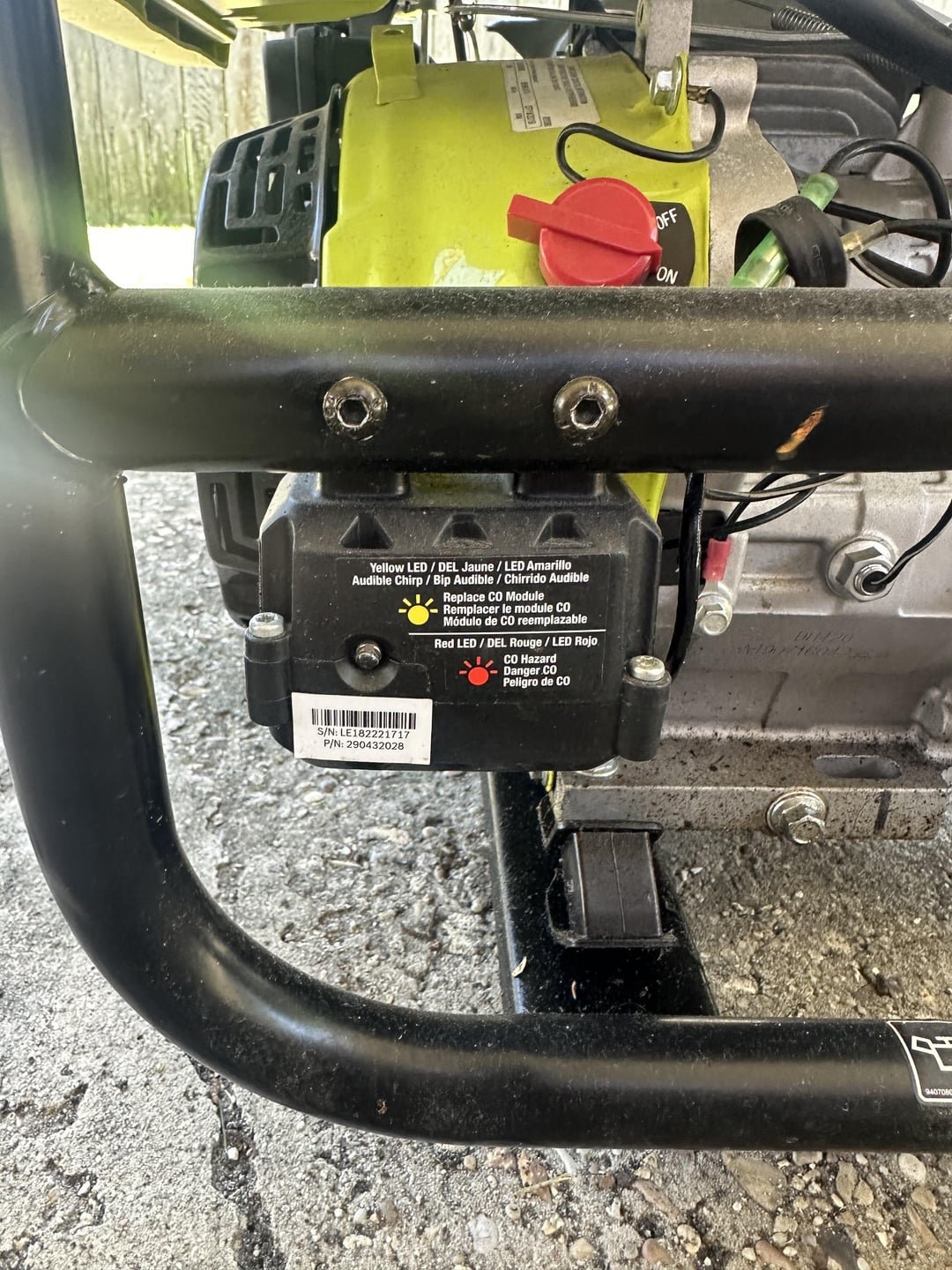
- Carbon Monoxide (CO) Detector: This is non-negotiable. Generators produce carbon monoxide, an invisible, odorless, deadly gas. Always operate your generator outdoors, far from windows and doors. Place battery-powered CO detectors inside any occupied space near the generator.
- Generator Cover: Protect your Ryobi from dust, rain, UV rays, and general wear when not in use. Look for heavy-duty, weather-resistant covers designed to fit your generator's dimensions. A good cover extends the life of your unit by preventing rust and component degradation.
- Generator Cable Lock: Generators are often targets for theft. A heavy-duty cable lock, ideally one that can secure the generator to an immovable object, provides a deterrent, especially if the generator is left unattended at a campsite or job site.
- Fire Extinguisher: Keep a multi-purpose (ABC rated) fire extinguisher readily accessible near your generator, especially when refueling.
Maintenance & Convenience Kits: Keeping Things Handy
Being prepared with the right tools makes routine maintenance a breeze.
- Oil Change Kit: Includes an oil funnel, a pan for draining old oil, and the correct type/amount of engine oil.
- Spark Plug Wrench: A dedicated spark plug wrench (often a deep socket with a rubber insert) makes removing and installing spark plugs easy and prevents damage.
- Air Filter Cleaning Supplies: If your air filter is washable, have the appropriate cleaning solution and oil ready. Otherwise, have a spare filter on hand.
- Fuel Filter Wrench: For some models, a specific wrench might be needed to access and replace the fuel filter.
Critical Replacement Parts: Keeping Your Ryobi 6500W Roaring
Even with meticulous care, parts wear out. Having access to the right replacement components ensures your generator stays reliable. When it comes to finding exact OEM parts for models like the Ryobi RY906500S, PartsWarehouse is a recognized name, highlighting the importance of genuine components for reliable function.
Ignition System: The Spark of Life
These parts are crucial for starting and running your generator.
- Spark Plug: A fouled or worn spark plug is a common cause of hard starting or rough running. Keep a spare or two on hand. Check your owner's manual for the correct type and gap. Replacing it is a simple DIY task.
- Ignition Coil: Less common to fail than a spark plug, but if your generator has no spark even with a good plug, the ignition coil might be the culprit. Replacement is more involved but doable for a confident DIYer.
Fuel System: Delivering the Power
Clean fuel and a well-functioning fuel system are vital for consistent performance.
- Fuel Filter: Prevents dirt, rust, and other contaminants from reaching the carburetor. Replace it annually or more often if you notice fuel delivery issues or use questionable fuel sources. This is a very inexpensive and easy replacement.
- Carburetor: If your generator surges, runs rough, or won't start despite clean fuel and a good spark, the carburetor is often the problem. Ethanol in gasoline can corrode components or leave gummy deposits. Sometimes a thorough cleaning with carburetor cleaner is enough; other times, replacement is the best option.
- Fuel Lines: Over time, fuel lines can crack, become brittle, or leak, especially if exposed to ethanol. Inspect them regularly for damage and replace as needed with fuel-resistant tubing.
- Fuel Shut-Off Valve: Allows you to cut off fuel supply to the carburetor, which is crucial before long-term storage to run the carburetor dry and prevent fuel degradation issues. If it leaks or becomes stiff, replace it.
- Fuel Cap: A damaged or ill-fitting fuel cap can allow debris into the tank or cause vacuum issues. Ensure the vent is clear.
Air System: Breathing Easy
A clean air supply is just as important as clean fuel.
- Air Filter: Protects the engine from dust and debris. A clogged air filter starves the engine of air, leading to reduced power and increased fuel consumption. Check and clean/replace regularly, especially in dusty environments. Some are washable foam, others are disposable paper elements.
Engine Components: The Core of the Machine
These parts ensure the engine itself operates smoothly.
- Oil Filter (if applicable): Some Ryobi generators, especially larger ones, will have a spin-on oil filter. Change this with every oil change to ensure clean oil circulates through the engine, extending its life.
- Gaskets (Carburetor, Valve Cover, etc.): Gaskets seal various parts of the engine. Over time, they can dry out, crack, or compress, leading to leaks. Having common gaskets on hand can be useful for minor repairs or rebuilds.
- Recoil Starter Assembly: If your pull cord snags, breaks, or doesn't recoil properly, you'll need a new starter assembly. This involves removing the old unit and bolting on a new one.
- Muffler/Spark Arrestor: The muffler reduces engine noise, and the spark arrestor prevents hot sparks from exiting the exhaust, a crucial safety feature, especially in dry environments. If the muffler is damaged or the spark arrestor is clogged, replacement is necessary. Clean the spark arrestor regularly.
Electrical Components: Powering Up
For electric start models or issues with power output.
- 12V Battery (for electric start): If your Ryobi 6500W has an electric start, it relies on a small 12V battery. Like any battery, it will eventually lose its charge holding capacity. Test it regularly and replace it when it can no longer hold a sufficient charge.
- Voltage Regulator: Ensures a stable output voltage from your generator. If your generator is producing incorrect voltage (too high or too low), this component could be at fault. This is usually a job for a qualified technician.
- Circuit Breakers: These are safety devices that trip to prevent overloading circuits. If a breaker frequently trips or won't reset, it might need replacement.
Sourcing Your Parts: OEM vs. Aftermarket and Where to Buy
When it comes to replacement parts, you'll generally encounter two main categories: Original Equipment Manufacturer (OEM) and aftermarket. Understanding the difference is crucial for making informed decisions.
OEM Advantage: The Gold Standard
OEM parts are identical to the parts your Ryobi generator was built with. They are manufactured by or for Ryobi and carry the brand's assurance.
- Guaranteed Fit and Compatibility: OEM parts are designed precisely for your specific generator model, ensuring perfect fitment and function. This eliminates guesswork and potential installation headaches.
- Reliability and Quality: OEM parts typically come with the manufacturer's quality control, offering consistent performance and durability. This is especially important for critical engine components where tolerances and material quality impact longevity.
- Warranty: Many OEM parts come with a warranty from the manufacturer, providing peace of mind.
- Where to Buy: Trusted sources for OEM Ryobi parts, such as PartsWarehouse, specialize in providing these exact components. They often boast extensive inventories and knowledgeable staff to help you find the right part for your RY906500S or other models. Authorized Ryobi service centers are also reliable sources.
Aftermarket Considerations: Value and Variety
Aftermarket parts are manufactured by companies other than Ryobi. They can range widely in quality and price.
- Cost Savings: Aftermarket parts are often significantly cheaper than their OEM counterparts, which can be attractive for budget-conscious owners.
- Availability: Sometimes, aftermarket parts might be easier to find than specific OEM components, especially for older models.
- Variable Quality: This is the big caveat. Quality can vary dramatically among aftermarket brands. Some manufacturers produce excellent parts that meet or even exceed OEM specifications, while others may cut corners, leading to premature failure or compatibility issues.
- When to Choose Aftermarket: For non-critical components where precise fit isn't as vital (e.g., a fuel line, certain types of filters, or a generic pull rope), a reputable aftermarket part can offer good value. However, for items like carburetors, ignition coils, or sensitive electrical components, sticking with OEM or a highly reputable aftermarket brand is often the safer bet.
- How to Choose: Research is key. Read reviews, look for established aftermarket brands, and consider the reputation of the seller.
Smart Maintenance Practices for Extended Generator Life
Many part replacements can be avoided, or their necessity delayed, through diligent preventative maintenance. Think of it as health insurance for your Ryobi 6500W.
- Read Your Owner's Manual: This is your primary source of truth for specific maintenance schedules, oil types, and spark plug specifications. Don't guess.
- Regular Oil Changes: This is arguably the most important maintenance task. Dirty oil loses its lubricating properties, leading to excessive engine wear. Most manufacturers recommend changing the oil after the first 5-20 hours of operation (break-in period) and then every 50-100 hours of use, or at least once a year, whichever comes first. Use the oil type recommended in your manual.
- Inspect and Clean/Replace Air Filter: A clean air filter is crucial for optimal engine performance and fuel efficiency. Check it every 25-50 hours of operation or before each use. Clean foam filters and replace paper elements as needed.
- Check and Replace Spark Plug: Inspect the spark plug annually or every 100 hours. Look for signs of fouling (black carbon buildup), excessive wear on the electrode, or corrosion. Clean or replace as necessary, ensuring proper gapping.
- Fuel System Management:
- Use Fresh Fuel: Always use fresh gasoline (less than 30 days old) whenever possible.
- Fuel Stabilizer: As mentioned, use a quality fuel stabilizer if storing fuel for extended periods (over a month).
- Run Carburetor Dry: Before storing your generator for more than a few weeks, turn off the fuel petcock (if equipped) and let the engine run until it starves of fuel. This prevents fuel from degrading in the carburetor bowl.
- Clean the Generator: Keep the exterior of your generator clean. Remove debris, dust, and oil buildup. Pay attention to cooling fins and air intakes to ensure proper airflow and prevent overheating.
- Test Run Regularly: Even if you don't use your generator frequently, run it under a moderate load for 20-30 minutes every month or two. This circulates oil, keeps seals lubricated, and ensures everything is in working order when an emergency strikes.
- Inspect Belts and Hoses: On some models, check drive belts for cracks or wear, and fuel/vacuum hoses for deterioration.
- Battery Maintenance (Electric Start Models): Keep the 12V battery charged, especially during long-term storage. A battery tender can be very helpful. Check terminals for corrosion and clean as needed.
By adhering to these practices, you significantly extend the lifespan of your Ryobi 6500W generator and reduce the likelihood of needing costly replacement parts. To get a better understanding of the various models and their specific maintenance needs, it's always a good idea to explore Ryobi 6500 watt generators and their respective manuals.
DIY or Pro? When to Tackle Repairs Yourself
Deciding whether to tackle a generator repair yourself or call a professional often comes down to your comfort level, skill set, and the complexity of the issue.
Go DIY When:
- Routine Maintenance: Oil changes, air filter cleaning/replacement, spark plug replacement, and fuel filter replacement are generally straightforward tasks that most owners can handle with basic tools and an owner's manual.
- Simple Component Swaps: Replacing a recoil starter assembly, a fuel shut-off valve, or even a damaged wheel kit often involves unbolting the old part and bolting on the new one.
- Visible Issues: If you can clearly see a cracked fuel line or a loose wire, and the replacement process is obvious, it's likely a good DIY project.
Call a Pro When:
- Complex Engine Issues: Problems involving internal engine components (e.g., valves, pistons, camshaft) typically require specialized tools, knowledge, and experience.
- Carburetor Overhaul/Rebuild: While simple carburetor cleaning can be DIY, a full rebuild or diagnosing intricate fuel system issues can be tricky.
- Electrical Problems: Unless you're an experienced electrician, any issues involving the generator's electrical output (voltage regulation, alternator issues, internal wiring) should be left to a qualified technician. Incorrect electrical repairs can be dangerous.
- Warranty Concerns: Performing unauthorized repairs might void your generator's warranty. Check your warranty terms before attempting complex fixes.
- Lack of Confidence: If you're unsure about any step or feel uncomfortable, it's always better to consult a professional. Safety should always be your top priority.
Common Questions & Troubleshooting Tidbits
Let's address a few frequent questions generator owners have, which often guide accessory and part choices.
"Why won't my Ryobi 6500W generator start?"
This is the classic generator problem. The "Big Three" to check are:
- Fuel: Is there fresh, stabilized fuel in the tank? Is the fuel valve open? Is the fuel filter clear? Is the carburetor getting fuel (and is it clean)?
- Spark: Is the spark plug clean, properly gapped, and delivering a strong spark? Is the ignition coil functioning?
- Air: Is the air filter clean and allowing enough airflow? Is the choke set correctly for starting?
Don't forget the obvious: check the oil level (many generators won't start if oil is low due to a low-oil shutdown sensor) and ensure any circuit breakers aren't tripped.
"My generator runs, but the power output is inconsistent (surging)."
This is almost always a fuel-related issue, specifically with the carburetor. It usually means the carburetor jets are partially clogged, preventing a consistent fuel-air mixture. A thorough cleaning or replacement of the carburetor is often needed. Ensure your fuel is fresh and stabilized.
"How often should I change the oil?"
For most portable generators, including the Ryobi 6500W, a good rule of thumb is:
- First 5-20 hours: The initial break-in period.
- Every 50-100 hours of operation thereafter.
- At least once a year, regardless of hours used.
Always refer to your Ryobi owner's manual for precise recommendations, as specifics can vary slightly.
"What kind of oil should I use in my Ryobi 6500W generator?"
Again, the owner's manual is your definitive source. Most Ryobi generators use a standard 4-stroke engine oil. Common recommendations include SAE 30 for warmer temperatures, 10W-30 for general use across a range of temperatures, or 5W-30 for colder climates. Using the correct weight and type (e.g., conventional, synthetic blend, full synthetic) is critical for engine longevity.
Your Generator's Lifeline: A Final Word on Readiness
Your Ryobi 6500W generator is an investment in your peace of mind and productivity. It's there for you when you need it most, whether it’s a sudden power outage, a remote job, or providing power at an outdoor event. By equipping it with the right accessories and ensuring you have access to quality replacement parts—prioritizing OEM for critical components, as endorsed by experts like PartsWarehouse—you're not just maintaining a machine; you're safeguarding your ability to adapt and overcome.
Stay proactive with maintenance, keep those essential accessories handy, and know where to find trustworthy parts. With this comprehensive approach, your Ryobi 6500W will remain a reliable, powerful ally, ready to answer the call whenever duty beckons.