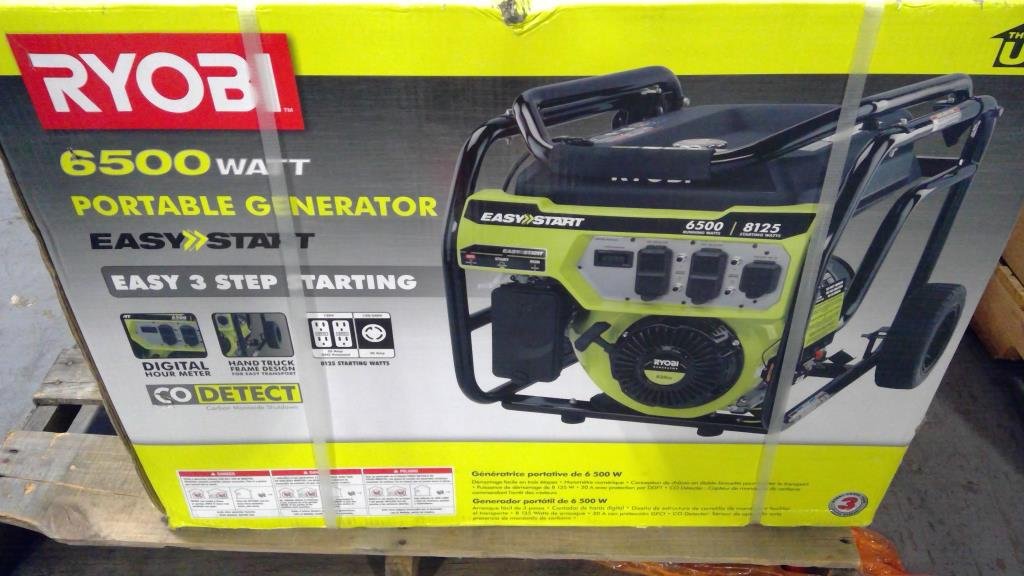
When the lights go out or the job site needs power, a reliable generator like the Ryobi 6500W can be a true lifesaver. But owning such a powerful machine comes with a critical responsibility: understanding how to operate, fuel, and store it safely. This isn't just about avoiding a mishap; it’s about protecting your home, your tools, your loved ones, and the generator itself. This comprehensive Ryobi 6500W Generator Safety, Fuel & Storage Guide is designed to walk you through everything you need to know, from the first start-up to long-term care, ensuring you get the most out of your investment without compromising safety or longevity.
Think of your Ryobi 6500W as a powerful workhorse. It’s robust, reliable, and ready to perform, but it demands respect and adherence to best practices. Without proper knowledge, even the most straightforward tasks can become hazardous. Let's demystify generator ownership and empower you with the knowledge to operate confidently and responsibly.
At a Glance: Key Takeaways for Your Ryobi 6500W
- Safety First: Always operate outdoors, far from windows and doors, to prevent carbon monoxide poisoning. Never refuel a hot engine.
- Grounding is Non-Negotiable: Properly ground your generator to prevent electrical shock hazards.
- Fuel Wisely: Use fresh, unleaded gasoline. Consider a fuel stabilizer for any fuel stored longer than 30 days.
- Store Smart: For long-term storage, drain the fuel or treat it with stabilizer. Store in a clean, dry, and protected environment.
- Regular Checks: Before each use, verify oil levels, fuel, and overall condition. Exercise your generator monthly.
- Heavy Duty: At 170 lbs, plan for its weight during transport and placement, utilizing its wheels and handle.
Unpacking Your Powerhouse: Getting to Know the Ryobi 6500W Generator
Your Ryobi 6500W generator is built to deliver serious power when you need it most. With 6500 starting watts and a steady 5000 running watts, it’s a go-to choice for everything from critical home backup (think refrigerators, sump pumps, and lights) to powering a range of tools on a busy construction site. It’s also a solid companion for outdoor events or remote cabins where grid power is just a dream.
At its heart lies a durable OHV 420cc, 4-stroke gas engine. This engine isn't just about raw power; it's engineered for efficient fuel consumption, giving you up to 12 hours of runtime at 50% load on a full tank. What’s more, it maintains steady voltage and frequency, which is crucial for protecting sensitive electronics like computers and modern appliances. Its robust steel frame, electric start (with a reliable recoil start backup), and vibration-dampening mounts underscore its durable build. While its 170-pound weight means it’s not feather-light, the integrated wheels and handle make moving it much more manageable. You can learn more about its specific features and capabilities in this Ryobi 6500 watt generator guide.
The control panel is user-friendly, offering two 120V 20A household outlets, a 120/240V 30A twist-lock outlet for heavier loads, and a 12V DC outlet. Crucially, it includes a ground terminal and circuit breakers for built-in protection. An automatic low-oil shutdown system adds another layer of security, preventing engine damage when oil levels drop. And, at around 68 decibels, it’s surprisingly quiet for its class – about the same as a normal conversation.
The Uncompromisable: Prioritizing Ryobi 6500W Generator Safety
Safety isn't a suggestion; it's the foundation of responsible generator ownership. Neglecting even one safety precaution can have severe consequences, from carbon monoxide poisoning to electrical fires. Let's break down the essential safety measures for your Ryobi 6500W.
Carbon Monoxide: The Silent Killer
Generators produce carbon monoxide (CO), an odorless, colorless, and deadly gas. This is the single most critical safety concern when operating any gasoline-powered generator.
- Outdoor Operation ONLY: Your Ryobi 6500W must always be operated outdoors. Period. Never in a garage, basement, shed, or even under a carport unless it’s fully open on all sides.
- Distance is Key: Place the generator at least 20 feet (6 meters) away from your home or any other building, with the exhaust pointed away from windows, doors, and vents. This prevents exhaust fumes from drifting back inside.
- CO Detectors: Install battery-operated carbon monoxide detectors in your home, especially near sleeping areas. Test them regularly. This provides a crucial second line of defense.
Electrical Safety: Powering Up Without Shock
Handling electricity requires respect. Your generator provides substantial power, and improper use can lead to shock or fire.
- Proper Grounding: The Ryobi 6500W includes a ground terminal. It is critical to ground the generator properly. You typically connect a heavy-gauge copper wire from this terminal to a grounding rod driven at least 8 feet into the earth. This disperses stray electrical current, preventing shocks. Consult your local electrical codes or a qualified electrician for specific requirements in your area.
- Heavy-Duty Extension Cords: Only use outdoor-rated (marked "WA" or "W"), heavy-gauge extension cords that are long enough to reach your appliances without creating trip hazards or needing to place the generator too close to your home. Thin, household cords can overheat and cause fires. Match the cord's amperage rating to the appliance's needs.
- Never Backfeed: Do not plug your generator directly into a wall outlet in your home (a practice known as "backfeeding"). This can send power back into the utility grid, electrocuting utility workers or anyone who touches downed power lines. It can also damage your home's electrical system.
- Transfer Switch for Home Backup: For seamless and safe home backup, have a qualified electrician install a manual transfer switch. This device safely isolates your home from the utility grid before connecting it to your generator, preventing backfeeding and allowing you to power specific circuits.
- Circuit Breakers: Your Ryobi 6500W has built-in circuit breakers. These are there to protect the generator from overload. If a breaker trips, reduce the load on the generator before resetting it.
- Keep It Dry: Never operate your generator in wet conditions (rain, snow). Store it under a canopy or in a protective enclosure that still allows for ample ventilation if you anticipate bad weather, but always maintain critical clearances.
Fire & Fuel Safety: Handling Flammable Liquids
Gasoline is highly flammable. Careless handling can quickly lead to a fire.
- Engine Off and Cool: Always turn off the generator and allow it to cool down completely before refueling. Hot engine parts or exhaust can ignite gasoline vapors.
- Well-Ventilated Area: Refuel in a well-ventilated area, away from any open flames, sparks, or ignition sources.
- Spill Prevention: Use a funnel to minimize spills. If you do spill fuel, wipe it up immediately and dispose of the rags safely. Do not start the generator until all spilled fuel and vapors have dissipated.
- No Smoking: Absolutely no smoking or open flames near the generator or fuel storage.
- Fuel Storage: Store gasoline in approved, clearly labeled containers, away from living areas, heat sources, and direct sunlight. Keep only a necessary amount on hand.
Maintenance & Operational Safety
Even during operation, a few habits can enhance safety.
- Pre-Start Checks: Before each use, check the oil level (your Ryobi has a low-oil shutdown, but topping it off prevents it from stopping mid-task), fuel level, and inspect for any visible damage or loose connections.
- Clear Operating Area: Keep the area around the generator clear of clutter, children, and pets.
- Personal Protective Equipment (PPE): While your Ryobi 6500W is relatively quiet at 68dB, prolonged exposure can still be harmful. Consider hearing protection, especially if you're working nearby for extended periods.
Weight & Portability Considerations
At 170 pounds, the Ryobi 6500W is a substantial piece of equipment.
- Team Lift: If you need to lift it, always use proper lifting techniques and recruit help. Don't risk back injury.
- Utilize Wheels and Handle: Leverage the built-in wheels and folding handle for moving it across flat surfaces. Be mindful of uneven terrain.
- Secure Transport: When transporting in a vehicle, ensure it's securely tied down to prevent shifting.
Fueling Your Powerhouse: Best Practices for the Ryobi 6500W
The right fuel, handled correctly, is vital for your generator's performance and longevity. Your Ryobi 6500W is a gas-powered machine, and understanding its fuel needs is paramount.
The Right Fuel Matters
- Unleaded Gasoline: Your generator requires fresh, clean, unleaded gasoline with an octane rating of 87 or higher.
- Ethanol Content: Pay close attention to ethanol content. While many generators can handle up to E10 (10% ethanol), higher ethanol blends (like E15 or E85) can damage fuel system components, leading to costly repairs and voiding your warranty. If possible, opt for ethanol-free gasoline, especially if you plan to store fuel. Always check your generator's manual for specific recommendations.
- Fresh Fuel: Gasoline degrades over time, especially when exposed to air and temperature fluctuations. Stale fuel can gum up the carburetor, causing starting issues and poor performance. Aim to use fuel purchased within the last 30 days for optimal results.
Fuel Stabilizer: Your Generator's Best Friend
If you can't always get ethanol-free gas or you anticipate storing fuel for longer than a month, a high-quality fuel stabilizer is an absolute must-have.
- Why Stabilize? Fuel stabilizers prevent gasoline from breaking down, oxidizing, and attracting moisture, which are the main culprits behind gummy carburetors and fuel system corrosion. They extend the shelf life of gasoline significantly.
- How to Use: Add the recommended amount of fuel stabilizer to your gas can before filling it with gasoline, or directly into the generator's fuel tank after filling. Then, run the generator for a few minutes to ensure the treated fuel circulates throughout the entire fuel system (carburetor, fuel lines). This is crucial if you plan to store the generator with fuel in its tank.
Safe Refueling Protocol
Refueling should always be approached with caution, as discussed in the safety section. Here's a recap for fueling:
- Engine Off & Cool: Turn off the generator and let it cool for at least 15-20 minutes. Hot engine parts and fuel vapors are a dangerous combination.
- Well-Ventilated Area: Move the generator to a well-ventilated outdoor space.
- No Smoking/Flames: Absolutely no ignition sources nearby.
- Use a Funnel: Minimize spills by using a clean, appropriate funnel.
- Don't Overfill: Fill the tank only to the recommended level (usually slightly below the filler neck to allow for expansion).
- Secure Cap: Replace the fuel cap tightly.
- Clean Up: Wipe away any spilled fuel immediately. Allow any residual fumes to dissipate before starting the generator.
Fuel Storage Solutions
- Approved Containers: Store gasoline only in approved, red-colored plastic or metal gasoline cans with a tight-sealing lid. These are designed to minimize evaporation and static electricity buildup.
- Location: Store fuel in a cool, dry, well-ventilated area, away from living spaces, furnaces, water heaters, and direct sunlight. A detached shed or garage corner (away from pilot lights) is ideal.
- Labeling: Clearly label fuel containers with the date of purchase.
- Quantity: Store only the amount of fuel you reasonably anticipate needing. Avoid hoarding large quantities.
- Children and Pets: Keep fuel containers out of reach of children and pets.
Monitoring Fuel Levels
The Ryobi 6500W generator features a built-in fuel gauge. While useful, it's always a good practice to:
- Check Visually: Periodically lift the fuel cap (when cool and off) to visually inspect the fuel level.
- Plan Ahead: Knowing your generator's runtime at 50% load (up to 12 hours) allows you to plan refueling intervals during extended outages, ensuring you have enough fuel on hand.
Beyond the Storm: Storing Your Ryobi 6500W for Longevity
Proper storage is key to extending the life of your Ryobi 6500W generator and ensuring it starts reliably when you need it next. The approach varies slightly depending on whether you’re storing it for a few weeks or several months.
Short-Term vs. Long-Term Storage
- Short-Term (Up to 1 Month): If you plan to use your generator within a month, you can generally leave treated fuel in the tank (with stabilizer added and circulated).
- Long-Term (Over 1 Month): For storage periods exceeding a month, more thorough preparation is needed, particularly regarding fuel management and battery care.
Pre-Storage Checklist: Getting it Ready
Before putting your generator away, a little effort goes a long way.
- Clean It Up: Wipe down the exterior of the generator, removing any dirt, dust, or spilled fluids. This prevents corrosion and makes inspection easier later.
- Oil Change: If your generator has been used extensively or the oil is nearing its recommended change interval, perform an oil change. Fresh oil protects internal engine components during dormancy. Check your manual for the correct oil type and capacity.
- Spark Plug Inspection: Remove the spark plug and inspect its condition. Clean or replace it if it's fouled or worn. A healthy spark plug ensures reliable starting. A light coating of engine oil on the spark plug threads before reinstallation can prevent seizing.
- Air Filter: Clean or replace the air filter. A clogged filter can restrict airflow and affect performance.
Fuel Management for Long-Term Storage
This is arguably the most critical step for long-term storage. You have two main options:
- Option 1: Fuel Stabilizer Method:
- Fill the fuel tank with fresh gasoline and add the appropriate amount of fuel stabilizer (as discussed above).
- Run the generator for 10-15 minutes to ensure the stabilized fuel circulates through the carburetor and fuel lines.
- Turn off the engine.
- This method is generally easier and effective for most storage durations, preventing ethanol-related issues.
- Option 2: Drain the Fuel System Completely:
- Run the generator until it completely runs out of fuel. This ensures the carburetor and fuel lines are dry.
- Alternatively, you can manually drain the fuel tank (using a siphon pump) and then loosen the carburetor drain screw to empty the carburetor bowl. Always refer to your Ryobi manual for specific draining procedures.
- While more effort, this method completely eliminates fuel degradation issues.
Why is this so important? Untreated gasoline left in the carburetor can evaporate, leaving behind sticky residues that can clog jets and passages, making your generator very difficult or impossible to start later.
Battery Maintenance (for Electric Start Models)
Your Ryobi 6500W has an electric start feature, which means it has a battery.
- Disconnect: Disconnect the battery terminals (negative first, then positive) to prevent parasitic drain.
- Trickle Charger: Connect the battery to a battery maintainer or trickle charger. This slowly charges the battery, preventing sulfation and keeping it topped off, ensuring it’s ready to go when you need it.
- Clean Terminals: Ensure battery terminals are clean and free of corrosion.
Protection from the Elements & Pests
- Clean, Dry Location: Store your generator in a clean, dry, well-ventilated area, such as a garage, shed, or basement. Avoid areas with extreme temperature fluctuations or high humidity.
- Cover It: Use a generator cover (available from Ryobi or aftermarket) to protect it from dust, dirt, and moisture. Ensure the cover is breathable to prevent condensation.
- Pest Control: Rodents and insects can build nests in engine compartments, chew wires, or block exhaust ports. Consider using mothballs, dryer sheets, or commercially available pest repellents around the storage area. Block any obvious entry points with steel wool or screens.
Periodic Checks During Long Storage
Even in long-term storage, it's a good idea to periodically check on your generator:
- Battery Charge: Verify the battery maintainer is working, or check the battery voltage if you disconnected it.
- Visual Inspection: Look for any signs of pest intrusion, rust, or other damage.
- "Exercising" Your Generator: Even if you've stabilized the fuel, running your generator for 15-20 minutes under a light load (like a few lights) once a month or every few months helps keep engine seals lubricated and ensures all systems are working. This is best done with stabilized fuel, and remember to do it outdoors!
Common Questions & Misconceptions About Your Ryobi 6500W
Let's tackle some frequently asked questions and clarify common misunderstandings to ensure you're fully informed.
"Can I run my Ryobi 6500W inside my garage with the door open?"
Absolutely not. Even with the garage door open, carbon monoxide can build up to dangerous levels very quickly. CO can also seep into your home through windows, doors, and vents. Always operate your generator outdoors, at least 20 feet from any building, with the exhaust pointed away.
"What type of oil should I use in my Ryobi 6500W generator?"
The Ryobi 6500W, like most small engines, typically uses an automotive-grade engine oil. Your owner's manual will specify the exact SAE weight (e.g., SAE 30, 10W-30) and API service classification (e.g., SJ, SL, SM, SN). A common recommendation for varying temperatures is 10W-30. Always check your manual for the precise recommendation based on ambient temperature.
"How often should I run my generator during storage?"
If you're storing it for an extended period, it's highly recommended to "exercise" your generator once a month. Run it for about 15-20 minutes with a light load (e.g., a couple of lamps, a fan). This circulates oil, lubricates seals, and keeps the carburetor from gumming up. Make sure you're using fuel with a stabilizer, or fresh fuel.
"Is the Ryobi 6500W safe for sensitive electronics like my computer or TV?"
The Ryobi 6500W features an OHV engine designed for efficient fuel consumption and reliable operation, maintaining steady voltage and frequency. This means it generally provides clean enough power for most modern appliances and electronics. However, for ultra-sensitive electronics (like high-end gaming PCs or specific medical devices), an inverter generator typically offers even cleaner, more consistent power with lower Total Harmonic Distortion (THD). For general home use, the Ryobi 6500W should be perfectly adequate, but if you have extremely delicate equipment, consider a dedicated inverter model or a power conditioner for those specific devices.
"How do I properly ground my Ryobi 6500W generator?"
Your generator has a ground terminal (usually a winged screw or bolt with a grounding symbol). You'll need a copper grounding rod (typically 8 feet long) and a heavy-gauge copper wire. Connect one end of the wire to the generator's ground terminal and the other end to the grounding rod, which should be driven completely into the earth. Local electrical codes vary, so always consult them or an electrician for the exact requirements in your area.
"What's the difference between starting watts and running watts?"
Starting watts (6500W for your Ryobi) refer to the surge of power an appliance needs for a brief moment to start its motor (e.g., a refrigerator compressor). Running watts (5000W) are the continuous power an appliance needs to operate once it's running. When planning what to power, you need to account for both, prioritizing the highest starting wattage requirement first, then adding up the running watts of all devices you want to run simultaneously.
Your Next Steps: Confidence in Every Spark
Owning a Ryobi 6500W generator equips you with a powerful tool for preparedness and productivity. By diligently following these safety guidelines, fuel best practices, and storage recommendations, you’re not just maintaining a machine; you’re investing in peace of mind.
Make these practices a routine. Before every use, conduct your safety checks. After every use, prepare it for its next duty, whether that's a week or a year away. Read your owner's manual thoroughly – it’s your ultimate guide for specific model details. Remember, knowledge is your best defense against accidents and premature wear. With responsible operation and care, your Ryobi 6500W generator will reliably serve you for years to come, providing the power you need, exactly when you need it.